THE LATEST IN ROOFING
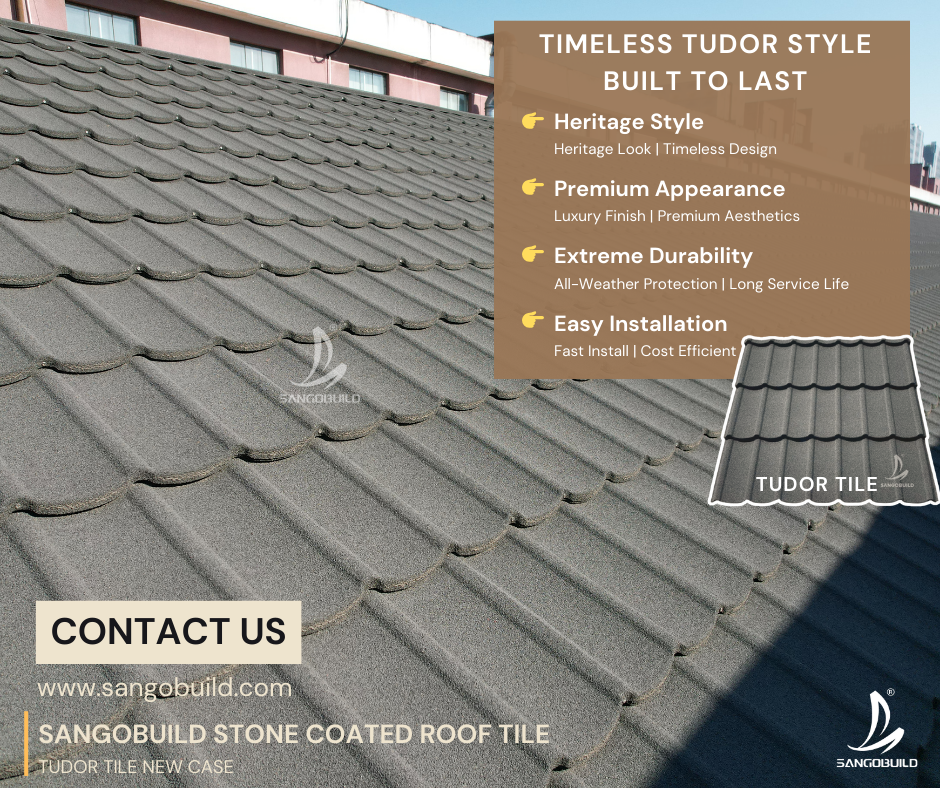
When people think of traditional European architecture, the first image that often comes to mind is a steep roof covered with beautifully textured tiles. Among these classic roofing styles, Tudor tiles remain one of the most recognizable. Their layered appearance and deep shadow lines create a sense of history and craftsmanship that modern homeowners still admire today.
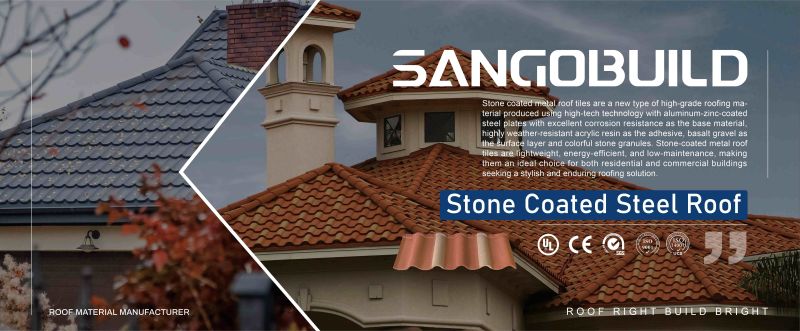
But what makes Tudor-style roofing even more appealing today is that it no longer relies on heavy clay materials. Thanks to advances in stone coated roof tile technology, manufacturers like Sangobuild now offer Tudor tiles that keep the historic look while delivering modern durability and performance.
In this article, we’ll explore why Tudor tiles remain popular around the world and how modern materials have transformed this classic roof design.
Tudor tiles are inspired by the roofing styles used in Tudor-era architecture in England during the late medieval period. These roofs were originally built with clay tiles or slate, often arranged in overlapping patterns to create depth and visual character.
Today’s Tudor tiles replicate that distinctive layered look but are typically manufactured using advanced materials such as stone-coated steel. The result is a roof that preserves the traditional aesthetic while solving many of the problems associated with older roofing materials.
Key visual characteristics include:
Deep, textured tile profiles
Strong shadow lines that add architectural depth
A historic, European-inspired appearance
A bold roofline that complements steep roofs
Because of these features, Tudor tiles are commonly used in homes that aim for classic, heritage, or luxury architectural styles.
Traditional Tudor-style roofs made from clay or concrete can be beautiful, but they also come with several challenges. These materials tend to be heavy, fragile during transportation, and require stronger roof structures to support the weight.
Modern stone coated roof tiles offer a practical alternative.
Manufacturers like Sangobuild produce Tudor tiles using a multi-layer system:
Galvalume steel core for structural strength
Protective coating layers for corrosion resistance
Natural stone chips bonded to the surface for texture and color
This construction provides the classic appearance of traditional roofing while significantly improving durability.
Why Homeowners Still Love Tudor Tile Roofs
Tudor tiles add a sense of heritage and sophistication to a building. The layered tile profile creates visual depth that flat roofing materials simply cannot match.
For architects and developers designing luxury homes, villas, or heritage-style properties, Tudor tiles often become a natural choice.
Compared with traditional clay tiles, stone-coated Tudor tiles are significantly lighter. This means:
Easier transportation
Faster installation
Less structural load on the building
Despite being lightweight, steel-based tiles are extremely strong and can withstand harsh weather conditions.
A well-designed roof must handle everything from strong winds to heavy rain.
Stone-coated Tudor tiles are engineered for durability, offering:
High wind resistance
Corrosion protection
Impact resistance against hail and debris
This makes them suitable for a wide range of climates, from coastal areas to regions with frequent storms.
One major advantage of stone-coated steel roofing is longevity. With proper installation, these roofs can last 40–50 years or more, making them a long-term investment for homeowners.
Additionally, the natural stone coating helps maintain color stability, so the roof continues to look attractive for decades.
Compared with traditional roofing materials, modern Tudor tiles are designed with interlocking systems that simplify installation.
For contractors, this means:
Reduced labor time
Better waterproof performance
More consistent alignment across the roof
For homeowners, it translates into lower installation costs and improved roof reliability.
Where Tudor Tiles Work Best
Because of their distinctive style, Tudor tiles are particularly well suited for:
European-style villas
Luxury residential developments
Heritage-inspired buildings
High-end resorts or boutique hotels
They also pair well with materials like stone walls, timber framing, and traditional brick exteriors, helping create a cohesive architectural design.
Architecture constantly evolves, but some styles never go out of fashion. Tudor tiles are a perfect example of how traditional design can adapt to modern technology.
By combining historic aesthetics with advanced materials, manufacturers like Sangobuild are making it possible for homeowners around the world to enjoy the charm of classic European roofs without sacrificing durability or efficiency.
In the end, Tudor tiles prove that a roof can do more than just protect a building — it can define the entire character of a home.

REQUEST A QUOTE
Copyright © Hangzhou Singer Building Materials Co., Ltd. All Rights Reserved |
Sitemap
| Powered by 


SEOKeywords:Roof Tile ManufacturerRoof Shingle ManufacturerAsphalt Shingle SupplierRain Gutter CompanyShingle Roofing CompanyWaterproof Tape For RoofPressed Steel Roofing TilesRain Gutter SystemGray Asphalt ShingleStone Coated Metal Roofing Manufacturer