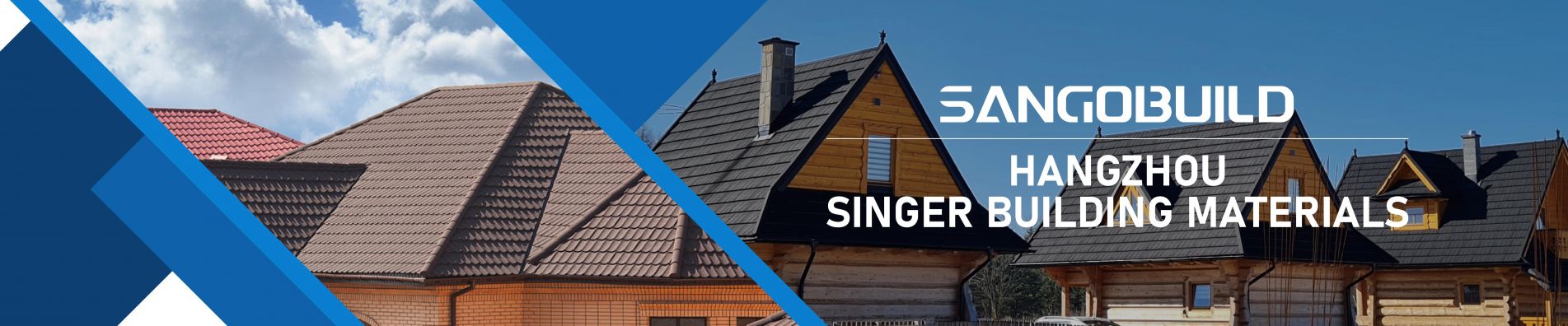
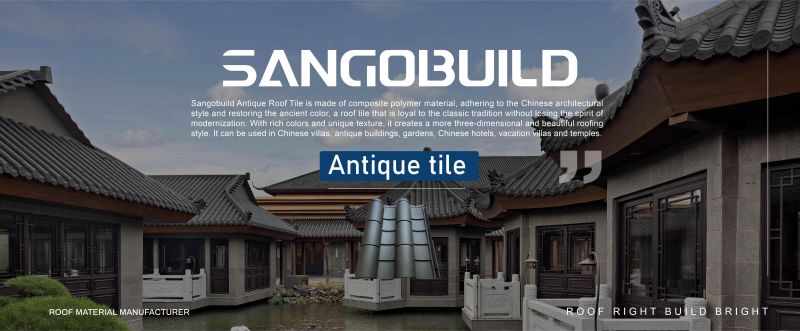
THE LATEST IN ROOFING

Sustainability in construction has shifted from a “nice-to-have” to a core requirement. Whether it’s driven by stricter regulations, rising energy costs, or growing environmental awareness, the industry is under pressure to build smarter. Roofing, often overlooked, plays a surprisingly large role in a building’s overall sustainability performance.
Among modern roofing solutions, stone coated roof tiles stand out—not because they are trendy, but because they solve multiple real-world problems at once. From durability to energy efficiency, they contribute to sustainable construction in ways that are both practical and measurable.
Before diving into sustainability, it’s worth briefly understanding what stone coated roof tiles are.
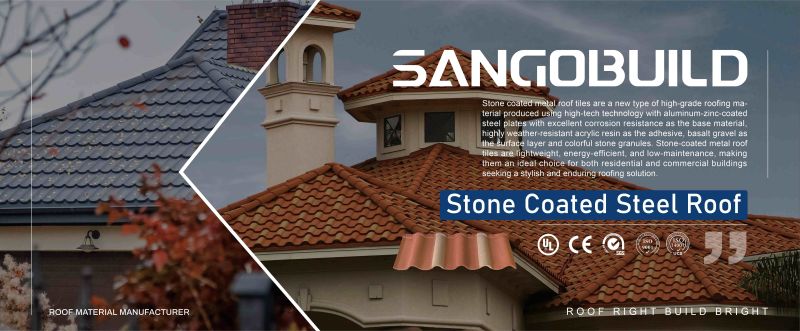
These tiles are typically made from:
A corrosion-resistant steel base (often aluminum-zinc coated)
An acrylic bonding layer
Natural stone granules for surface protection and aesthetics
This combination creates a roofing system that is lightweight, durable, and adaptable to different architectural styles—from residential villas to commercial buildings.
A key principle of sustainable construction is simple: build once, build well.
Traditional roofing materials like asphalt shingles often need replacement every 15–25 years. In contrast, stone coated roof tiles can last 40–70 years, depending on the environment and installation quality.
Reduced landfill waste: Fewer tear-offs over time
Lower material consumption: Less frequent manufacturing demand
Decreased maintenance cycles: Fewer repairs and replacements
From a lifecycle perspective, this extended durability significantly lowers the environmental footprint of the building.
Weight may not seem like a sustainability factor at first glance, but it directly affects material usage and transportation efficiency.
Stone coated roofing is much lighter than concrete or clay tiles, often weighing only a fraction per square meter.
Reduced need for heavy structural support systems
Lower consumption of steel and concrete in the building frame
Easier and faster installation, saving labor and energy
For renovation projects, this is even more important. Existing structures can often support stone coated tiles without major reinforcement, avoiding unnecessary demolition and rebuilding.
In hot climates or regions with strong sunlight, roofing materials significantly influence indoor temperatures. Poor roofing choices can lead to higher cooling loads and increased energy consumption.
Stone coated roof tiles contribute to energy efficiency in several ways:
The stone granules can reflect a portion of solar radiation, reducing heat absorption.
Many systems are installed with batten structures that create airflow channels beneath the roof.
Steel-based systems respond differently to heat compared to traditional materials, helping regulate temperature fluctuations.
Reduced reliance on air conditioning
Lower electricity usage
Decreased greenhouse gas emissions over time
For developers targeting energy-efficient buildings, this is a meaningful advantage.
Steel is one of the most recycled materials globally, and this plays a major role in the sustainability of stone coated roofing.
At the end of its service life:
The steel core can be fully recycled
Minimal material ends up as permanent waste
Resources are reintroduced into the production cycle
Additionally, many manufacturers are improving their processes by:
Using recycled steel content
Reducing emissions during production
Minimizing water usage and chemical waste
This aligns well with circular economy principles, where materials are reused rather than discarded.
Sustainable buildings must be resilient. Materials that fail under stress lead to repairs, replacements, and additional environmental costs.
Stone coated roof tiles are designed to handle a wide range of weather conditions:
Heavy rainfall and moisture exposure
High winds and storms
UV radiation and extreme temperatures
Freeze-thaw cycles in colder regions
Because of this durability:
Maintenance requirements are reduced
Emergency repairs are less frequent
Material waste from damage is minimized
In regions experiencing more extreme weather due to climate change, this resilience becomes even more valuable.
Modern sustainable construction often includes renewable energy systems, especially solar panels.
Stone coated roofing works well alongside these technologies:
Strong structural base for solar panel mounting
Long lifespan that matches or exceeds solar system life cycles
Reduced need to replace roofing before solar system payback
This compatibility helps avoid a common issue where roofs need replacement before solar systems reach full ROI.
Stone coated roof systems can contribute by:
Improving energy efficiency scores
Offering recyclable material content
Supporting long-term building performance
While no single material guarantees certification, choosing the right roofing system can help projects meet key sustainability benchmarks.
Sustainability isn’t only about function—it also includes long-term usability and appearance.
Stone coated roof tiles are designed to retain their color and texture over time, thanks to UV-resistant coatings and natural stone surfaces.
Fewer aesthetic renovations
Reduced use of paints and coatings
Longer-lasting visual appeal
For property developers, this means buildings stay attractive for longer without additional resource consumption.
Although initial costs may be higher than some traditional roofing options, the total lifecycle cost tells a different story.
When factoring in:
Reduced maintenance
Fewer replacements
Energy savings
Increased property value
Stone coated roofing often proves to be more economical over time.
From a sustainability standpoint, financial efficiency supports environmental responsibility—projects that save money long-term are more likely to adopt and maintain sustainable solutions.
Stone coated roof tiles are not limited to one type of project. Their versatility allows them to be used in:
Residential homes and villas
Resorts and hospitality developments
Commercial buildings
Renovation and retrofit projects
This adaptability makes them a practical option across different markets, especially where sustainability goals vary by project type.
Sustainable construction is about making better choices across the entire building lifecycle—not just during design, but through decades of use.
Stone coated roof tiles contribute to this goal by offering:
Long-term durability
Energy efficiency
Recyclable materials
Reduced maintenance and waste
They may not always be the most talked-about roofing solution, but in terms of real-world performance and environmental impact, they offer a balanced and reliable approach.
For builders, developers, and homeowners looking to invest in materials that last—and make a difference—stone coated roofing is a solution worth serious consideration.


REQUEST A QUOTE
Copyright © Hangzhou Singer Building Materials Co., Ltd. All Rights Reserved |
Sitemap
| Powered by 


SEOKeywords:Roof Tile ManufacturerRoof Shingle ManufacturerAsphalt Shingle SupplierRain Gutter CompanyShingle Roofing CompanyWaterproof Tape For RoofPressed Steel Roofing TilesRain Gutter SystemGray Asphalt ShingleStone Coated Metal Roofing Manufacturer