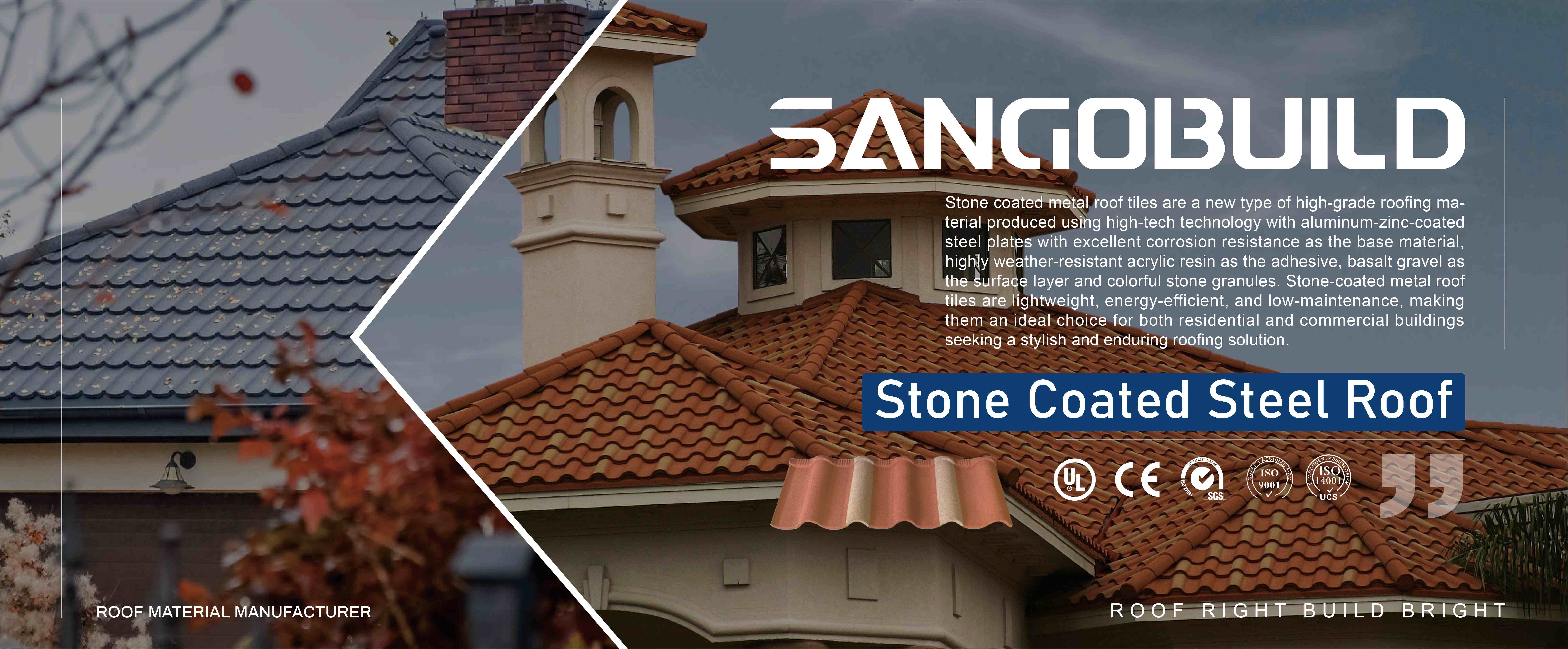
THE LATEST IN ROOFING
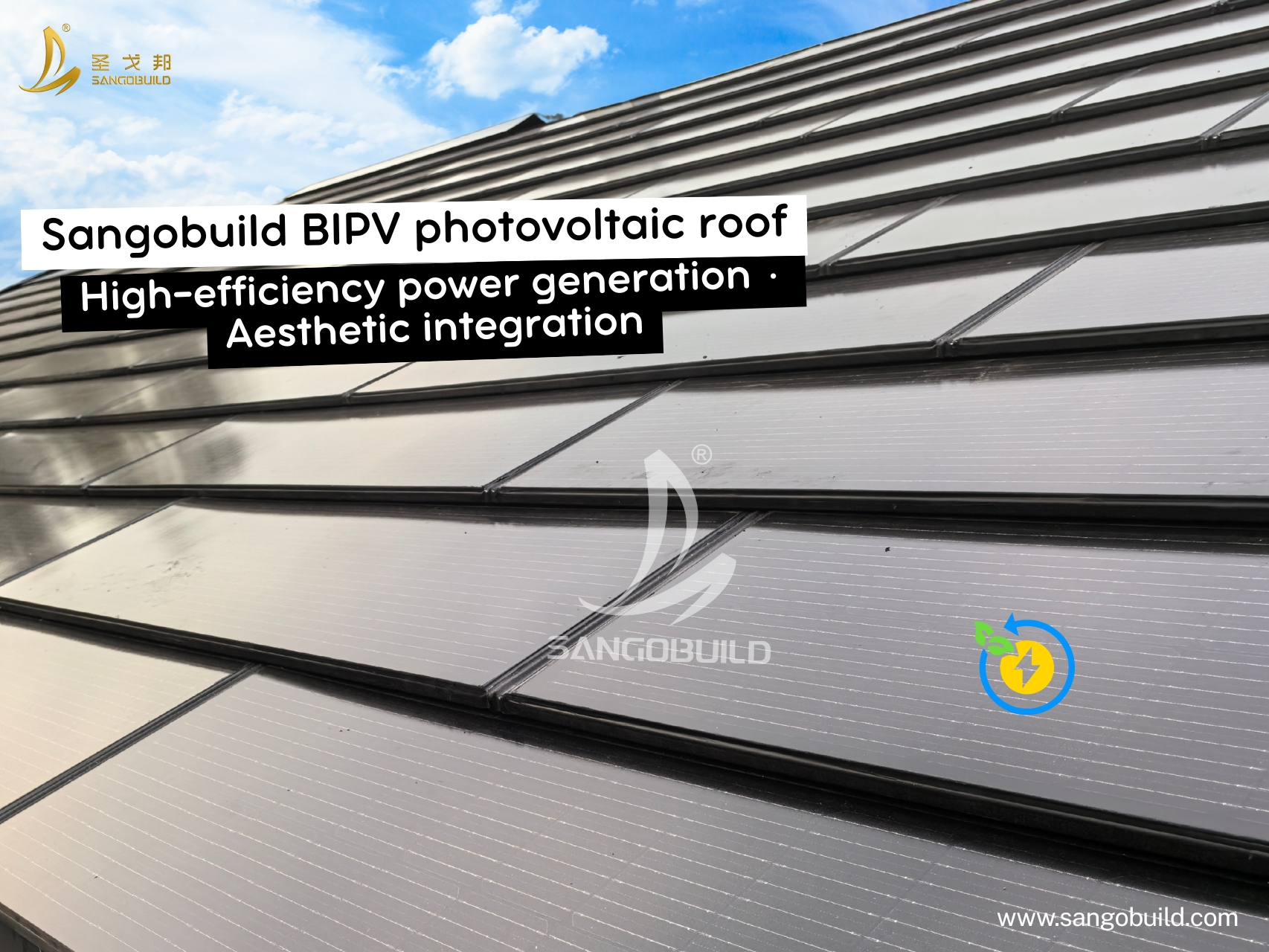
As the global construction industry pivots toward sustainability, a quiet revolution is happening right above our heads. Roofs-once passive weather barriers-are transforming into active energy assets. And at the forefront of this shift is Building-Integrated Photovoltaics (BIPV), a technology that merges solar power generation directly into roofing materials.
The numbers tell the story. The global BIPV market, valued at $25.13 billion in 2025, is projected to reach $68.12 billion by 2030, growing at a compound annual rate of roughly 22%. This surge reflects a fundamental change in how architects, developers, and property owners think about building surfaces. When a roof can generate electricity while protecting your structure, why settle for anything less?
What Makes BIPV Different
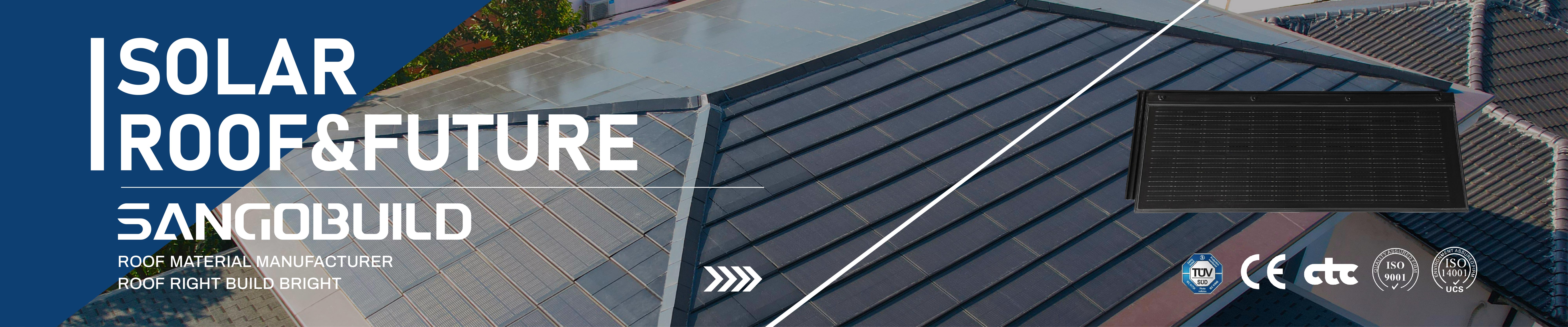
Traditional rooftop solar panels are add-ons. They sit on top of your existing roof, supported by metal racks, and require separate waterproofing and structural considerations. BIPV solar tiles, on the other hand, are the roof. They replace conventional roofing materials entirely, serving dual roles as a structural cover and a power generator. One product. Two jobs. No visual compromise.
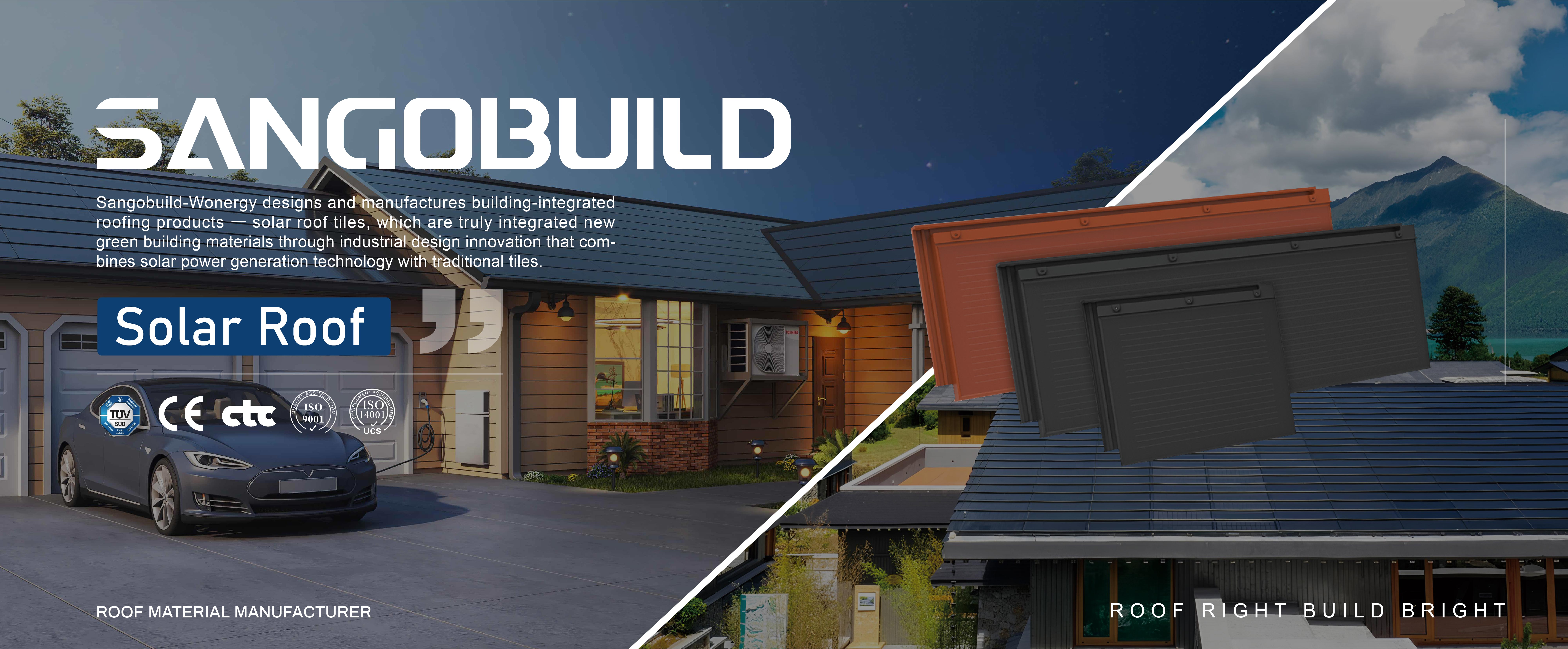
This is where Sangobuild has carved out a unique position in the market. The company, which has specialized in roofing since 2006, began pivoting toward integrated solar solutions following China‘s “dual carbon” goals. Today, its BIPV solar tile systems are deployed across residential housing, commercial buildings, hotels, villas, and even island projects.
Three Functions in One Roof
What makes Sangobuild’s BIPV approach genuinely practical is its embrace of the three non-negotiable requirements of any roof: aesthetics, waterproofing, and weather resistance. The company’s solar tiles are waterproof, fire‑resistant, wind‑uplift proof, UV‑resistant, and corrosion‑resistant, with many models offering CE certification and a 20‑year warranty. That means you‘re not trading durability for solar capability. You’re getting both.
Take the Heliu stone-coated solar metal roof tile, for example. Launched in 2024, Heliu combines a high-thickness steel core coated with zinc-aluminum alloy and proprietary protective layers, topped with low-iron tempered glass (3.2mm+3.2mm). Its energy performance is similarly robust-the Heliu delivers 80W or 65W power output per tile, with monocrystalline silicon cells at the heart of the design. In a real-world project in Hangzhou, China, Heliu tiles with an installed capacity of about 42 kW generated an average of roughly 130 kWh of electricity per day-enough to meet the building’s daily needs.
Or consider the Sol Type solar roof tile, designed for those who prioritize ease of installation and long-term reliability. The Sol Type delivers about 80W per tile with a module efficiency of 19.4%, and is built with low-iron tempered glass and an interlocking installation system that saves more than 50 percent of installation time compared to traditional approaches. It‘s also lightweight, reducing roof load and simplifying retrofits. The product carries a warranty of more than 30 years, which speaks to Sangobuild’s confidence in its manufacturing quality.
The Financial Case: It‘s About Steady Gains
The phrase “steady gains” in the title of this piece isn’t marketing fluff. It captures the dual economic return that BIPV roofs offer. On one hand, you have direct energy savings-electricity generated on-site reduces what you draw from the grid. On the other hand, the roof itself becomes a long-term asset that appreciates the value of the building.
If you‘re building new or replacing an aging roof, the economics become even more favorable. The cost of a BIPV roof tile system-around $4.20 per watt installed for a typical BIPV tile system versus roughly $2.75 for conventional rack-mounted panels-does demand a higher upfront investment. But you’re also eliminating the separate expense of traditional roofing materials and the labor of installing a secondary solar array on top of an already-finished surface. When you roll roofing replacement and solar installation into one project, the total cost difference narrows considerably-and the long-term energy savings start to tilt the scale back in your favor.
Add in the fact that many residential and commercial projects qualify for tax credits and rebates, and the payback period shortens further. In the U.S., for example, commercial solar projects remain eligible for a 30 percent Investment Tax Credit under Section 48E, provided construction begins by July 4, 2026, and the system is placed in service by the end of 2027.
Durability That Delivers Peace of Mind
A roof that leaks or degrades prematurely defeats the purpose of any solar investment. Sangobuild has engineered its BIPV tiles with extreme weather in mind. The Heliu, like other Sangobuild products, undergoes rigorous mechanical, thermal cycling, and waterproof testing, with modules certified to international standards. The dual-glass construction and zinc-aluminum alloy coatings provide superior compression resistance and impact protection. In short, these tiles are built to withstand hail, high winds, heavy snow loads, and the kind of UV exposure that degrades lesser materials within a decade.
A Sustainable Future Starts on the Roof
The shift toward BIPV represents more than a technological upgrade. It‘s a rethinking of buildings as ecosystems-structures that not only shelter their occupants but also contribute clean energy to the grid. Sangobuild’s approach embodies this philosophy. The company‘s products are designed as direct replacements for traditional roofing materials, with each tile functioning as both a structural component and a PV module. No additional racking systems. No complex retrofits. Just a roof that works harder.
For architects, the design flexibility is liberating. For developers, the ability to meet green building standards without sacrificing cost control is increasingly essential. And for homeowners, the prospect of lower electricity bills alongside a more resilient, more attractive roof is hard to ignore.
Discover how Sangobuild’s BIPV integrated photovoltaic roof systems can turn your rooftop into a power station for steady gains. Visit sangobuild.com to explore product specifications, request a quote, or connect with the Sangobuild team for your next project.


REQUEST A QUOTE
Copyright © Hangzhou Singer Building Materials Co., Ltd. All Rights Reserved |
Sitemap
| Powered by 


SEOKeywords:Roof Tile ManufacturerRoof Shingle ManufacturerAsphalt Shingle SupplierRain Gutter CompanyShingle Roofing CompanyWaterproof Tape For RoofPressed Steel Roofing TilesRain Gutter SystemGray Asphalt ShingleStone Coated Metal Roofing Manufacturer